 ™
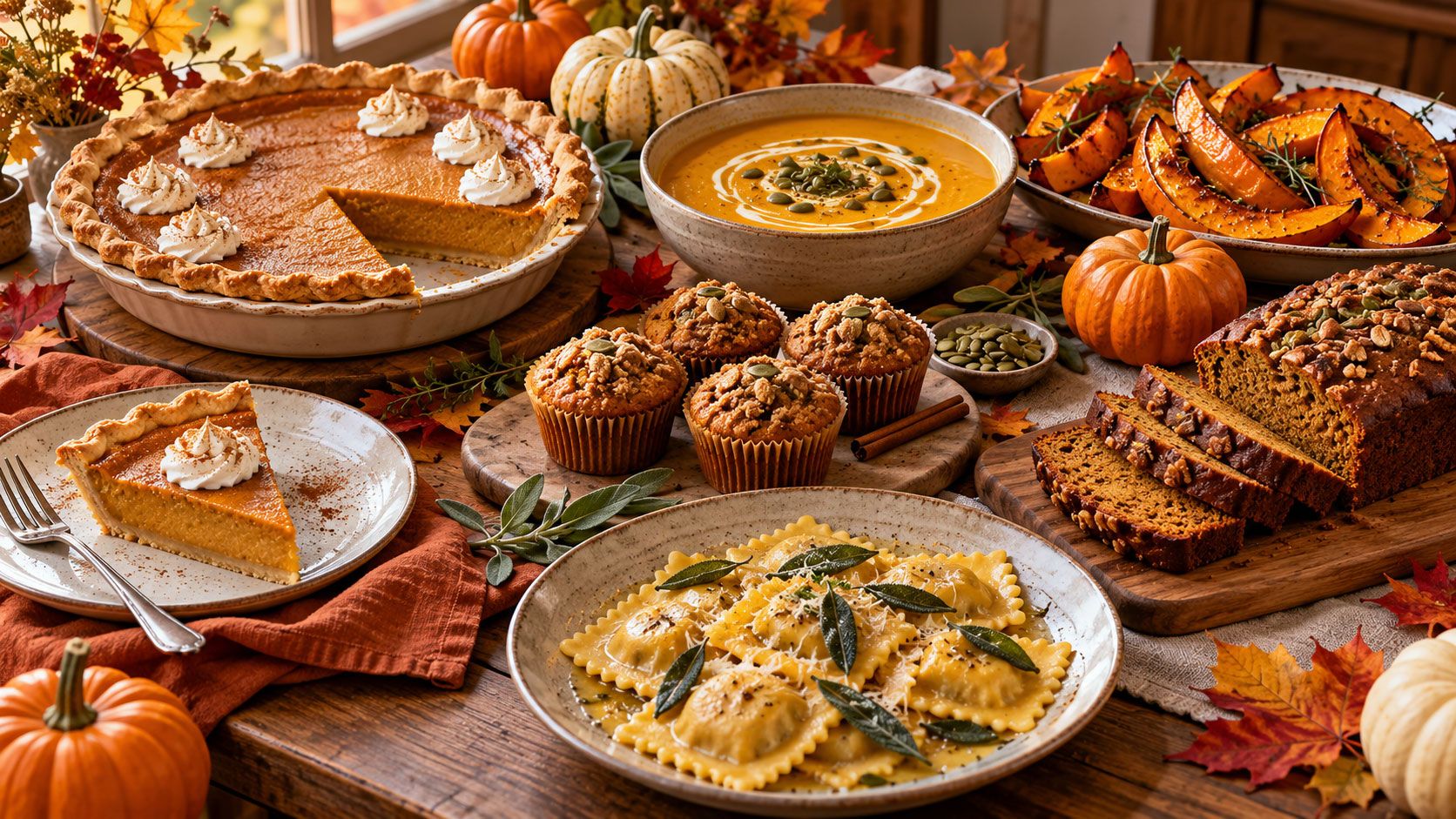
This Halloween, celebrate one of autumn’s most nutritious foods—from the bright orange flesh to the nutrient-rich seeds.
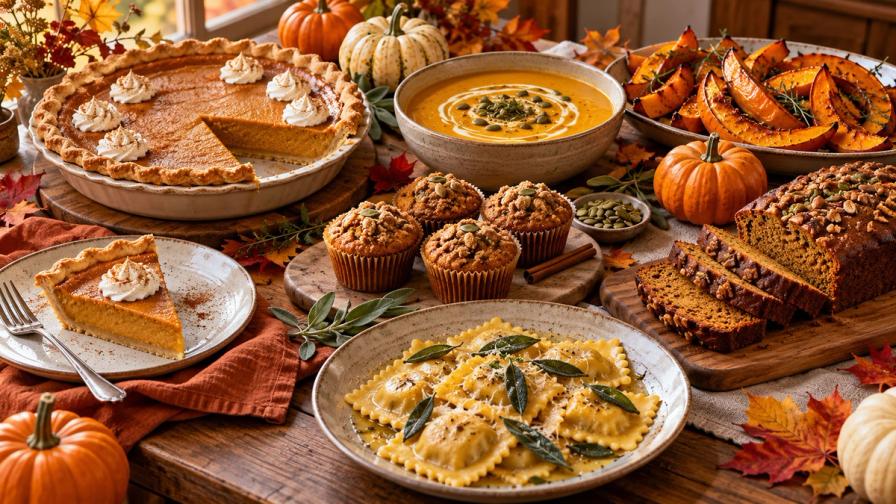
Every October, pumpkins appear on porches, doorsteps, and Halloween displays. But beyond their spooky faces and festive appeal, pumpkins offer something worth celebrating at the dinner table, too.
Pumpkin is a nutrient-rich winter squash that provides fiber, vitamins, minerals, and carotenoids, including beta-carotene, which the body can convert into vitamin A. Pumpkin seeds are nutritious in their own right, offering protein, healthy fats, and important minerals. Rather than letting this seasonal food go to waste, families can enjoy both the flesh and the seeds in a variety of dishes.
The Nutritional Benefits of Pumpkin
1. Rich in Beta-Carotene
Pumpkin’s vibrant orange color comes in part from carotenoids, including beta-carotene. The body can convert beta-carotene into vitamin A, a nutrient essential for normal vision, immune function, and healthy skin.
Eating a variety of colorful vegetables is a practical way to add beneficial nutrients to everyday meals, and pumpkin makes that easy during the fall season. The Old Farmer’s Almanac highlights the nutritional value of pumpkin and other winter squash.
2. A Source of Fiber
Pumpkin contains dietary fiber, which supports digestive health and helps promote regular bowel movements. Fiber-rich foods can also contribute to a satisfying meal.
Add pumpkin purée to soups, stews, oatmeal, or homemade muffins, or roast fresh pumpkin as a savory side dish.
3. Provides Vitamins and Minerals
Pumpkin supplies several nutrients, including vitamin C and potassium, alongside its carotenoids. These nutrients play different roles in the body, from supporting normal immune function to helping maintain fluid balance and normal muscle function.
Pumpkin is also relatively low in calories, making it a versatile ingredient for both sweet and savory meals.
Can Pumpkin Help Protect Against Cancer?
Pumpkin is more than a fall favorite—it’s packed with carotenoids and antioxidants that have attracted scientific interest for their potential role in protecting cells and supporting long-term health.
According to the National Foundation for Cancer Research, pumpkin is rich in carotenoids, including beta-carotene. These compounds help neutralize free radicals, which can damage cells. Research has linked higher carotenoid and beta-carotene intake with lower risks of certain cancers, including stomach, throat, pancreatic, and breast cancers. The article also discusses research linking higher vitamin A intake with a lower risk of skin cancer.
Medical Medium’s article on the benefits of pumpkin highlights its range of nutrients, including vitamins A, C, and E, beta-carotene, zeaxanthin, B vitamins, and minerals such as potassium. It also discusses pumpkin’s antioxidant content and its potential role in supporting eye health, immune function, and overall wellness.
Pumpkin also provides dietary fiber, which supports digestive health. Fiber-rich diets have been associated with a lower risk of colorectal cancer, adding to the reasons to include a variety of plant foods in everyday meals.
This Halloween, enjoy pumpkin for more than its festive appeal. Its carotenoids, antioxidants, fiber, and other nutrients make it a valuable addition to a varied, plant-rich diet.
What About Pesticides on Your Pumpkin?
Pumpkins are a fall favorite, but pesticide use and potential residues can vary depending on how they are grown. Choosing organic pumpkins can help reduce exposure to certain synthetic pesticides.
Not all pumpkins are grown for the same purpose. Pumpkins sold for carving may be treated with pesticides and are not necessarily intended for human consumption. Never assume a jack-o’-lantern is safe to eat—or that washing it makes it safe.
Pumpkin plants can also absorb certain environmental contaminants from soil, and washing cannot remove chemicals that have entered the plant’s tissues. For pumpkins you plan to cook and eat, choose ones specifically sold for consumption and consider buying certified organic when available.
The bottom line: Wash edible pumpkins before preparing them, and remember that washing cannot remove every pesticide or contaminant. Read Why You Should Choose Organic Pumpkins.
Don’t Throw Away Those Pumpkin Seeds!
When carving a Halloween pumpkin or preparing one for cooking, save the seeds. Also known as pepitas, pumpkin seeds contain protein, unsaturated fats, magnesium, zinc, and other minerals.
These nutrients support normal bodily functions, including muscle and nerve function, immune health, and energy metabolism.
The Weston A. Price Foundation shares a traditional preparation method for crispy pumpkin seeds. To make your own, separate the seeds from the pulp, rinse them, dry them thoroughly, and roast them until crisp. Season them with herbs and spices for a simple snack, or sprinkle them over salads, soups, and roasted vegetables.
Pumpkin seeds are calorie-dense, so a small handful is an easy way to add nutrients, texture, and flavor to meals.
WATCH: Nutritional Benefits of Pumpkin Seeds – Dr. Eric Berg
Make the Most of Pumpkin This Fall
There are plenty of ways to enjoy pumpkin beyond Halloween decorations and sugary seasonal treats:
- Roasted pumpkin: Cut fresh pumpkin into cubes, toss with olive oil and herbs, and roast until tender.
- Pumpkin soup: Blend cooked pumpkin with onions, garlic, broth, and spices for a warming fall meal.
- Pumpkin purée: Use plain pumpkin purée in oatmeal, sauces, baked goods, or smoothies.
- Roasted pumpkin seeds: Season and roast cleaned seeds for a crunchy snack.
- Pumpkin in savory dishes: Add pumpkin to curries, pasta sauces, or grain bowls.
When buying canned pumpkin, check the ingredient list and prioritize choosing organic. Plain pumpkin purée is different from pumpkin pie filling, which often contains added sugar and spices.
Choose Local and Grow Your Own!
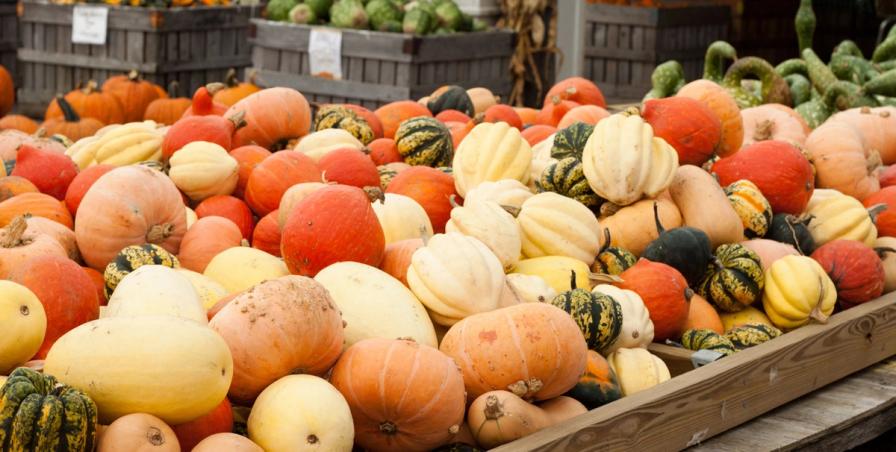
Whenever possible, buy pumpkins from local farms and farmers’ markets to support local growers. Visit a pumpkin patch to teach your children where their food comes from. Save the seeds from your pumpkins and try growing your own next season! Choose seeds from a pumpkin grown for eating, rinse and dry them thoroughly, and store them in a cool, dry place until planting time. Growing your own pumpkins is a fun way to connect with your food, involve the kids, and enjoy another homegrown harvest next fall.
Try Vani Hari’s Pumpkin Spice Cookies!
Looking for a festive fall treat? Food Babe’s Pumpkin Spice Cookies are a delicious option to try, made with gluten-free ingredients and no refined sugar.
Bake a batch to share with family and friends this Halloween! Perfect with a cup of herbal tea.
Bring More Halloween Magic with the Teal Pumpkin Project
Halloween should be fun for every child, including those with food allergies who may not be able to enjoy traditional candy.
The Teal Pumpkin Project, led by Food Allergy Research & Education (FARE), encourages families to offer non-food treats such as stickers, glow sticks, and small toys so more children can safely participate in Halloween traditions. Keep non-food treats separate from candy.
How to Spread the Magic
- Add your home or event to the Teal Pumpkin Project Map so families can plan their trick-or-treating routes.
- Display a teal pumpkin or use one of FARE’s free printable signs to show that non-food treats are available.
- Have non-food treats ready for trick-or-treaters, and encourage your neighbors to participate, too.
A small gesture can help more children feel included and enjoy the magic of Halloween!
More Halloween Resources from Moms Across America
Looking for more ways to make Halloween healthier and more fun? Explore these resources from MAA:
- From GM Corn to Black Mold: The Sour Side of Our Food Supply—Discover what citric acid, a common ingredient in sour candy and fast food, reveals about corn-derived ingredients, industrial fermentation, and the need for greater food transparency.
- Make Your Own Halloween Treats: 7 Organic Recipes Kids Will Love—Get ideas for homemade treats using simple ingredients, from peanut butter cups to pumpkin spice muffins and roasted pumpkin seeds.
- The Terrifying Truth About GMO Candy—Learn why MAA encourages families to consider organic candy and pay closer attention to the ingredients in conventional Halloween treats.
Help Moms Across America Make a Difference
From the food we feed our families to the ingredients in our children’s favorite treats, every family deserves access to safe, nutritious food and the information to make informed choices.
Moms Across America works to raise awareness, support independent food testing, and empower parents to demand greater transparency in our food supply.
But this work depends on you.
Will you make a donation today to help us continue testing, educating and advocating for healthier food for our families? Every contribution helps us keep pushing for answers and accountability.
BECOME A MONTHLY DONOR – SUPPORT MOMS ACROSS AMERICA
Together, we can make a difference—one family, one community, and one bite at a time.