 ®
®
Citric Acid — The Hidden GMO in Halloween Candy and Fast Food
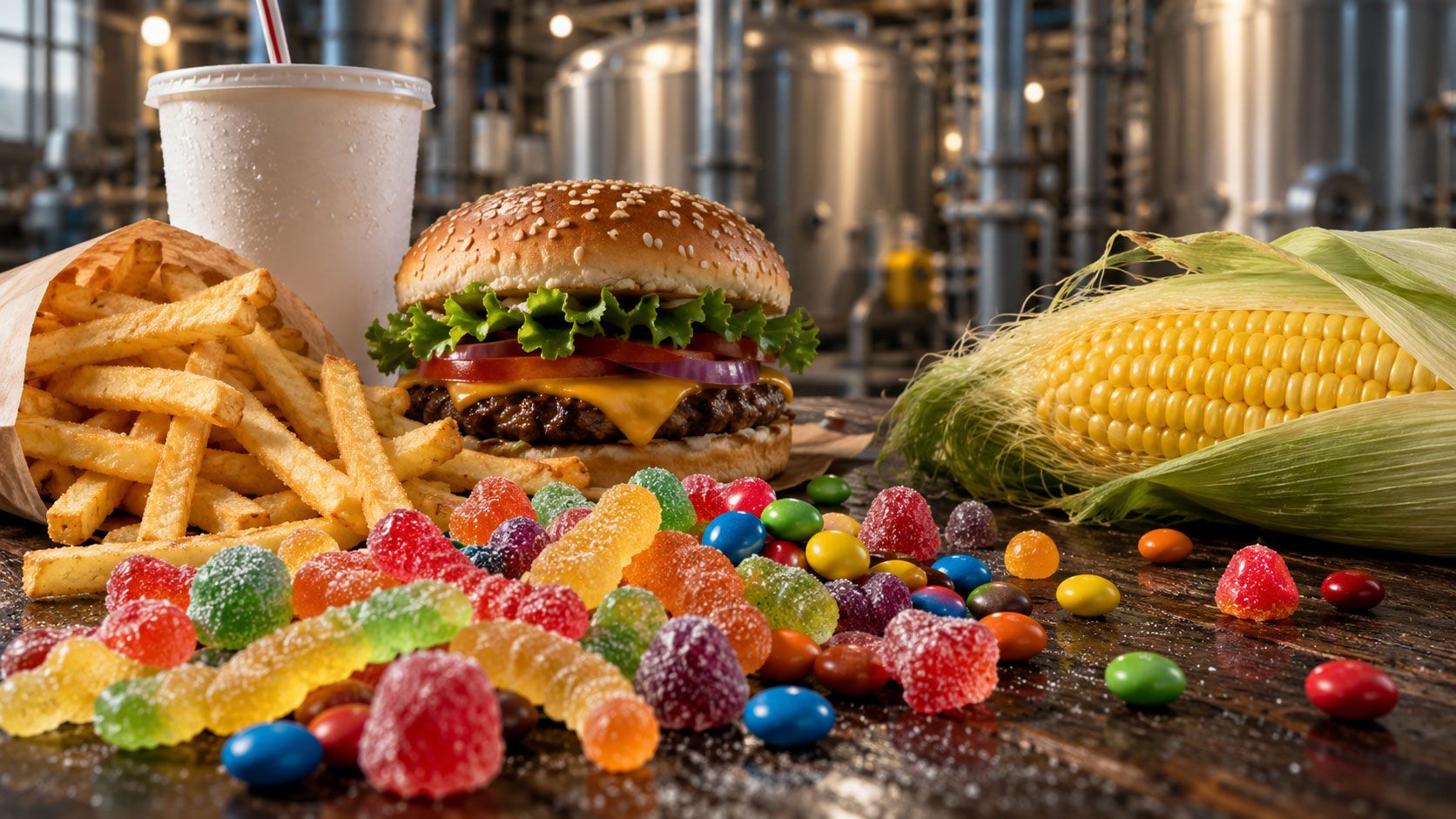
It’s in the sour candy kids love and the fast-food meals millions of Americans eat. But what does citric acid have to do with GM corn and black mold? More than most consumers realize.
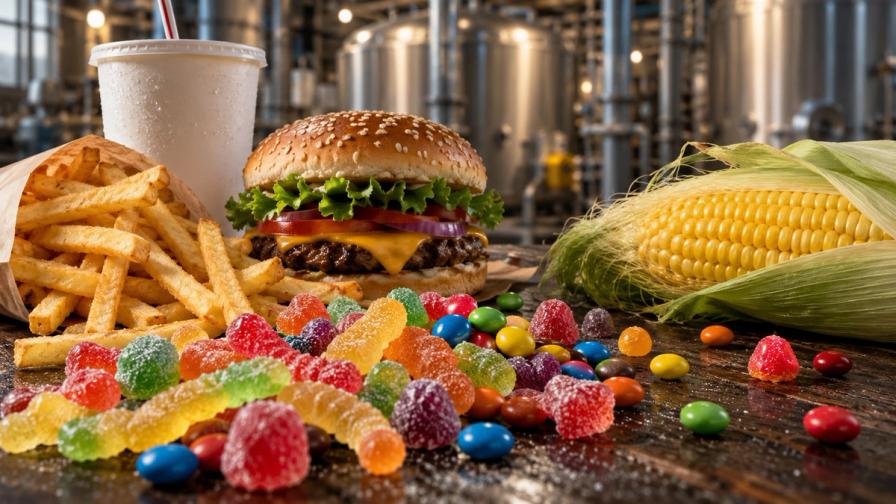
October is Non-GMO Month, making this the perfect time to examine the story behind this everyday food ingredient. Its production begins far from a citrus grove—and raises important questions about our food supply.
Pick up a package of Skittles or Sour Patch Kids, and you’ll find citric acid on the ingredient list. In Skittles Sour, citric acid is the third ingredient, after sugar and corn syrup.
Sour candy isn’t the only place you’ll find it. McDonald’s, Burger King, Chick-fil-A, and Subway all use citric acid in various food components.
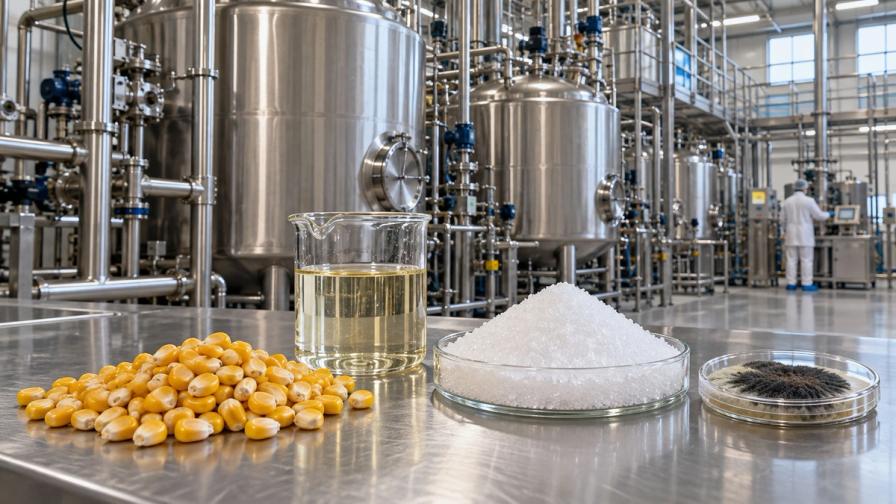
Many consumers know that sugar beets and the corn used to make high-fructose corn syrup in the U.S. food supply are overwhelmingly genetically engineered. Fewer realize that commercial citric acid is commonly manufactured through industrial fermentation, using sugar-based feedstocks. A 2023 USDA technical evaluation report found that more than 90 percent of U.S. citric acid manufacturers relied on corn-derived glucose or dextrose.
So what exactly is citric acid?
MOST CITRIC ACID DOESN’T COME FROM CITRUS
Most people probably assume citric acid comes from lemons, limes, or oranges.
Commercial citric acid is commonly produced using the fungus Aspergillus niger, a species of black mold. A peer-reviewed study published in Fungal Biology and Biotechnology explains that industrial production generally involves growing Aspergillus niger in a sugar solution. The sugar source can include inexpensive agricultural materials such as molasses, corn steep liquor, and hydrolyzed corn starch. After fermentation, the citric acid is recovered through additional processing before it is added to food.
The FDA also recognizes Aspergillus niger for fermentation production of citric acid in its food-substance database.
LOOK AT THE FAST-FOOD MENU
McDonald’s provides current ingredient information from its food suppliers and says it updates that information as formulations and supplies change.
Our preliminary review identified citric acid in at least 12 McDonald’s meals or components, including:
- Cheeseburger
- Double Cheeseburger
- McDouble
- Big Mac
- Quarter Pounder with Cheese
- Double Quarter Pounder with Cheese
- Bacon Quarter Pounder with Cheese
- Quarter Pounder with Cheese Deluxe
- Filet-O-Fish
- Surf + Turf
- Breakfast sandwiches containing American cheese
- Scrambled eggs and some breakfast platters
The American cheese used in many of these items contains citric acid. McDonald’s scrambled-egg ingredient information has also identified citric acid directly in the eggs.
So someone ordering a seemingly simple eggs-and-cheese breakfast can encounter citric acid in both components.
And McDonald’s isn’t alone.
BURGER KING
Burger King’s 2026 U.S. Nutrition Explorer ingredient listings identify citric acid in several menu items and components, including:
- Hash Browns–found in the dehydrated potatoes
- Sweet & Sour Dipping Sauce–listed directly among the ingredients
- Whopper with Cheese–listed among the mayo, American cheese, and sesame seed bun ingredients
- Bacon, Egg, & Cheese Croissan'wich–listed among egg and cheese ingredients.
CHICK-FIL-A
The Chick-fil-A Chicken Sandwich, for example, lists citric acid in the bun. The Chick-fil-A Deluxe Sandwich also lists citric acid in its bun.
SUBWAY
Subway’s U.S. ingredient documentation lists citric acid in numerous components, including Roasted Garlic Aioli, Sriracha Sauce, Sweet Onion Teriyaki Sauce, and pizza sauce.
While these ingredient lists tell consumers the name of the ingredient, they do not tell the full story.
WHAT’S BEHIND THOSE TWO WORDS?
An ingredient label doesn’t tell consumers:
- Where the citric acid was manufactured
- What feedstock was used to produce it
- Whether that feedstock was corn-derived
- What production strain of Aspergillus niger was used
- Whether the production organism was genetically modified
- Or what country the finished ingredient came from
The scientific literature documents extensive research into Aspergillus niger, including genetic and metabolic engineering aimed at increasing industrial production of citric acid and other products.
CHINA’S DOMINANCE IN CITRIC ACID PRODUCTION
China plays a major role in the global citric acid supply chain.
According to a 2023 USDA technical evaluation report, China produced approximately 75 percent of the world’s citric acid in 2018.
The 75 percent figure reflects production in 2018, not necessarily today’s market share. Yet the scale of China’s role makes the origin of citric acid in American foods a legitimate concern. Food labels generally do not identify the country where the citric acid in an individual product was manufactured.
MOLD, FOOD, AND THE NEED FOR TRANSPARENCY
On September 18, 2026, HHS Secretary Kennedy hosted a Mold Surveillance Roundtable with new CDC Director Erica Schwartz, Rep. Vince Fong, fungal-disease researchers, clinicians, patients, and patient advocates. HHS said the discussion focused on invasive mold disease surveillance and diagnosis, including gaps in national data and treatment options.
The HHS roundtable focused on invasive mold disease, while this article examines the industrial production of a common food ingredient using a fungus.
For families struggling with mold-related illness, access to reliable information matters. Consumers deserve answers about mold-related illness and greater transparency about how the ingredients in their food are produced.
WHAT DOES “NON-GMO” REALLY MEAN?
Americans have learned to look for GMO ingredients on food labels. But today’s food system is much more complicated than identifying a genetically modified crop.
Citric acid shows why looking only for a named GMO ingredient may not tell the whole story. Commercial production often relies on corn-derived sugars, but labels do not identify whether those feedstocks came from genetically modified crops or disclose the production strain used.
Families shouldn’t need to be food scientists to understand what they are buying.
Moms Across America believes consumers have a right to know what is in their food, where ingredients originate, and how they are produced.
What can families do? Choose whole and minimally processed foods more often, check ingredient labels for citric acid, and look for USDA certified organic and Non-GMO Project verified products. These steps can help families avoid some GMO ingredients and make more informed choices about added citric acid, although neither label guarantees a product is free of citric acid.
WHAT MOMS ACROSS AMERICA IS ASKING
Moms Across America calls for clear, accessible information about the manufacturing processes, agricultural feedstocks, and countries of origin behind the ingredients in our food.
As the Trump administration advances its Make America Healthy Again (MAHA) agenda, ingredient transparency should be part of the conversation.
MAA is committed to investigating our food supply, testing products, educating consumers, and advocating for greater transparency in food production.
This work takes resources, and our supporters make it possible. Your monthly donation helps fund food testing, research, public education, and advocacy to protect the health of our families.
Please become a monthly donor today and help us continue this important work.
DONATE MONTHLY TO MOMS ACROSS AMERICA
Together, we can demand greater transparency and work toward a food supply that puts the health of our children first.
SOURCES
The Non-GMO Project, Understanding Biotechnology: What Is a GMO?
Fungal Biology and Biotechnology, How a fungus shapes biotechnology: 100 years of Aspergillus niger research, May 24, 2018, Timothy C. Cairns, Corrado Nai, and Vera Meyer.
U.S. Food and Drug Administration, Substances Added to Food: Aspergillus niger for Fermentation Production of Citric Acid.
Journal of Industrial Microbiology and Biotechnology, An overview of key industrial product citric acid production by Aspergillus niger and its application, March 28, 2025, Ambreen Latif, Noor Hassan, Hazrat Ali, Muhammad Bilal Khan Niazi, Zaib Jahan, Iqra Latif Ghuman, and Farwa Hassan.
McDonald’s, Nutrition and Ingredients Information.
Skittles, Skittles Sour Candy.
Chick-fil-A, Chick-fil-A Chicken Sandwich.
Subway, U.S. Ingredients.
Burger King, Nutrition Explorer.
U.S. Department of Health and Human Services, Secretary Kennedy Hosts Mold Surveillance Roundtable, September 18, 2026.
The MAHA Report, Kennedy Takes Aim at Mold, Oct. 6, 2026, Amy Sapola.
U.S. Department of Agriculture, Citric Acid and Salts: Handling/Processing—Limited Scope Technical Evaluation Report, December 26, 2023, compiled by the Organic Materials Review Institute for the USDA National Organic Program.