Moms Across America
Data Center Awareness Project — a Moms Across America project

Data Centers

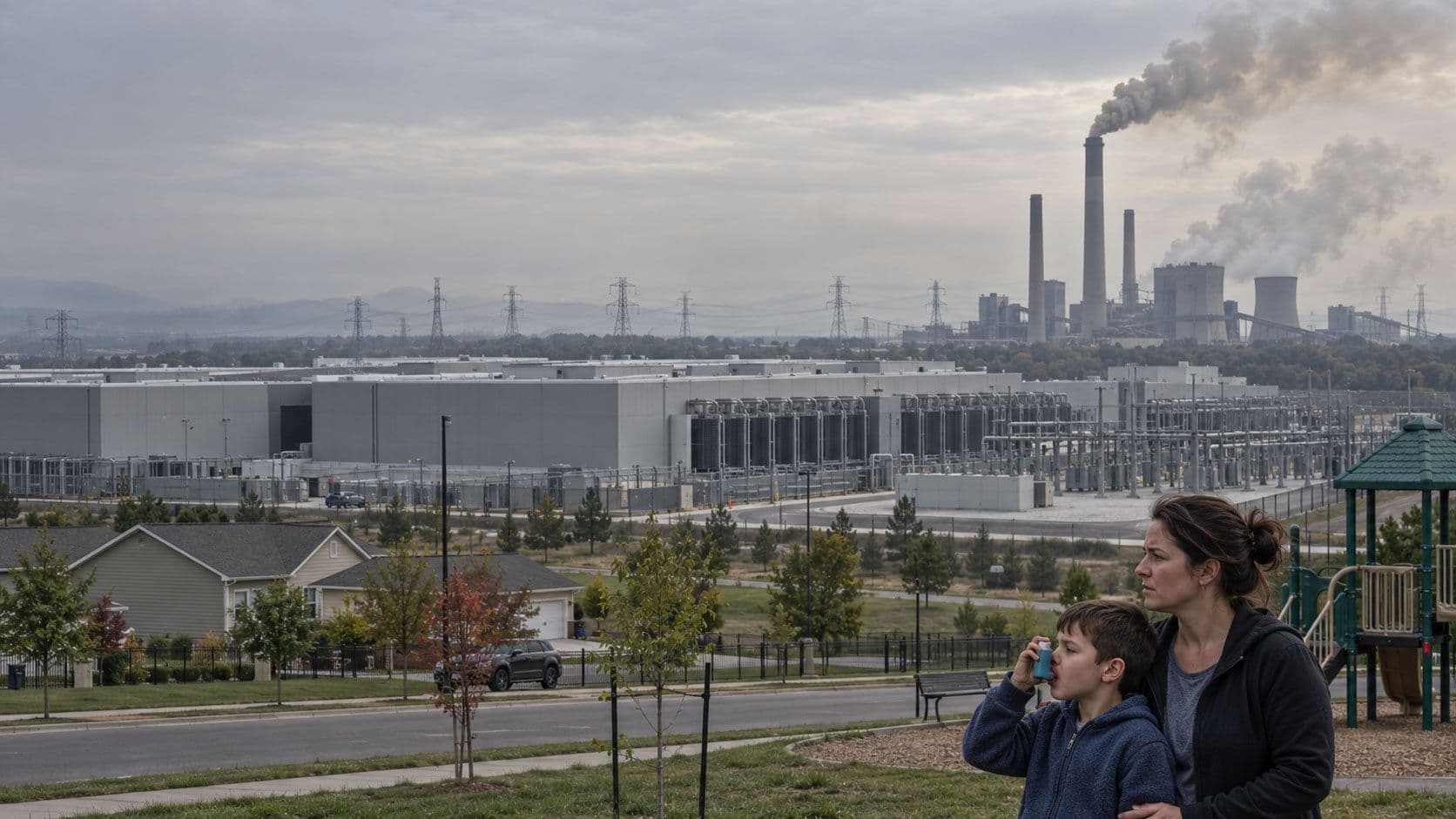
Data centers threaten not only the health of our communities but their very existence. It is up to us to protect our families — no elected official can save us.

Arming you with the facts and resources you need to defend your water, land, air, health, energy systems, local budgets, and right to self-governance.

Moms Across America educates and empowers mothers and others with actions and solutions to create healthy communities. Data centers threaten not only the health of our communities but their very existence.

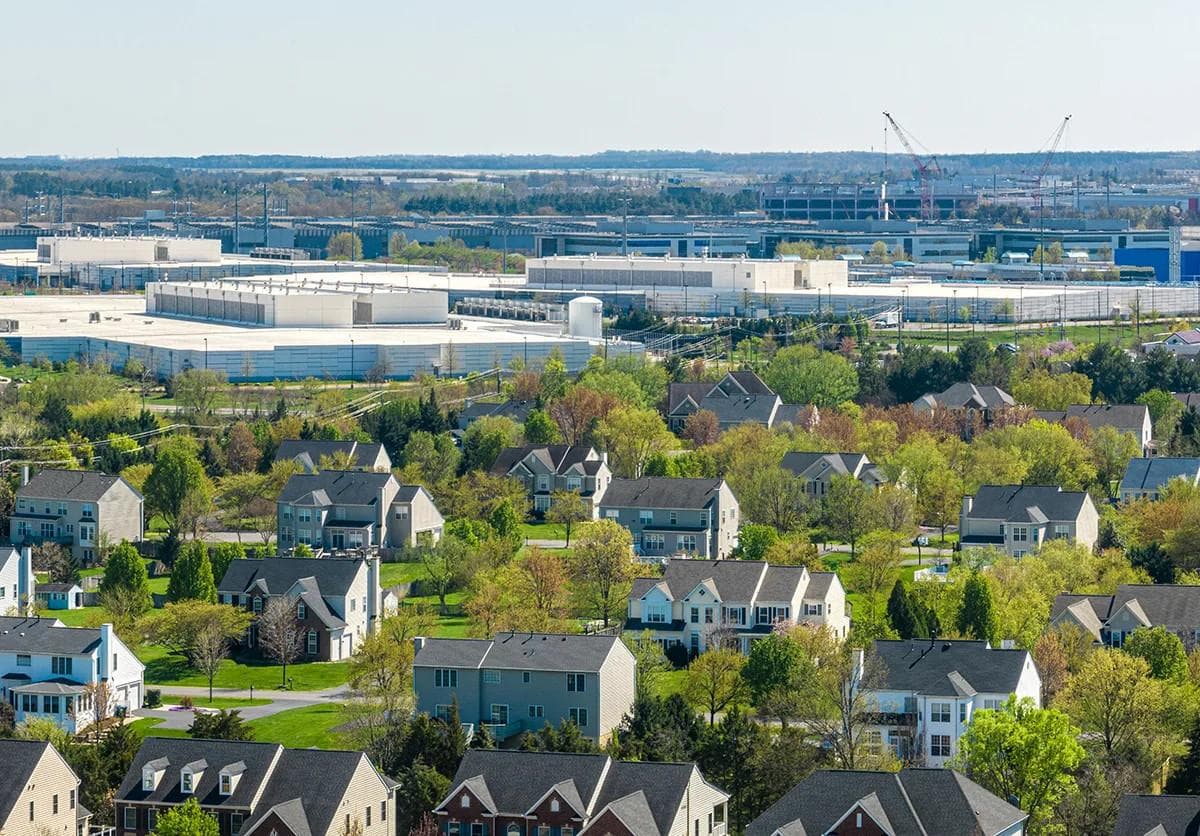
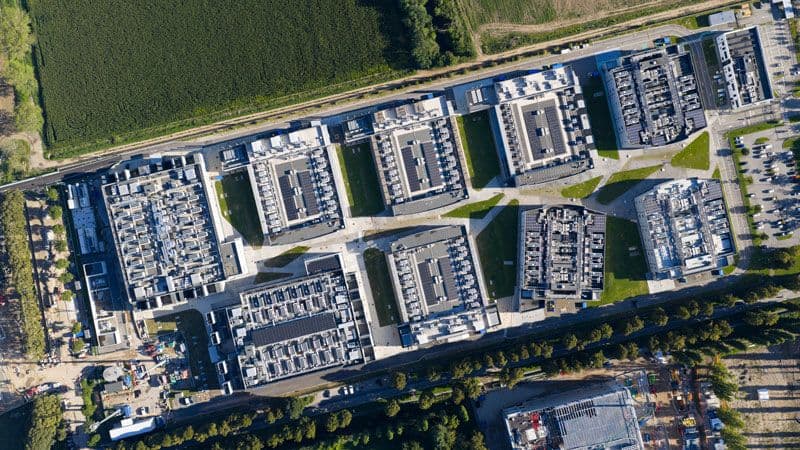
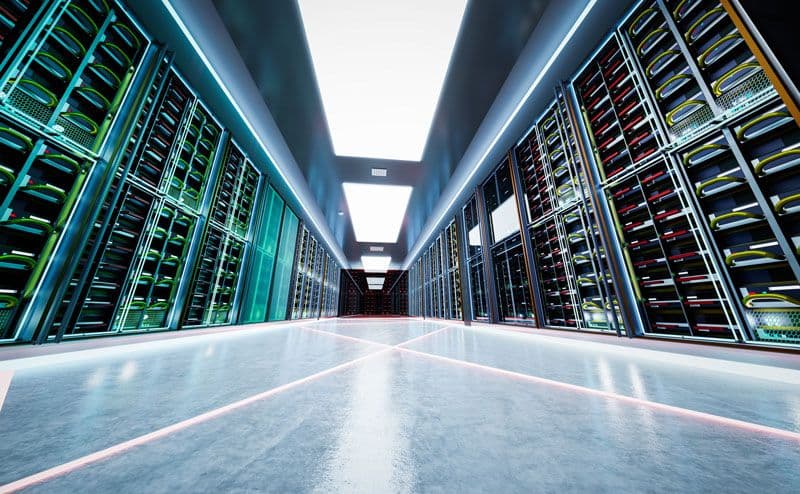
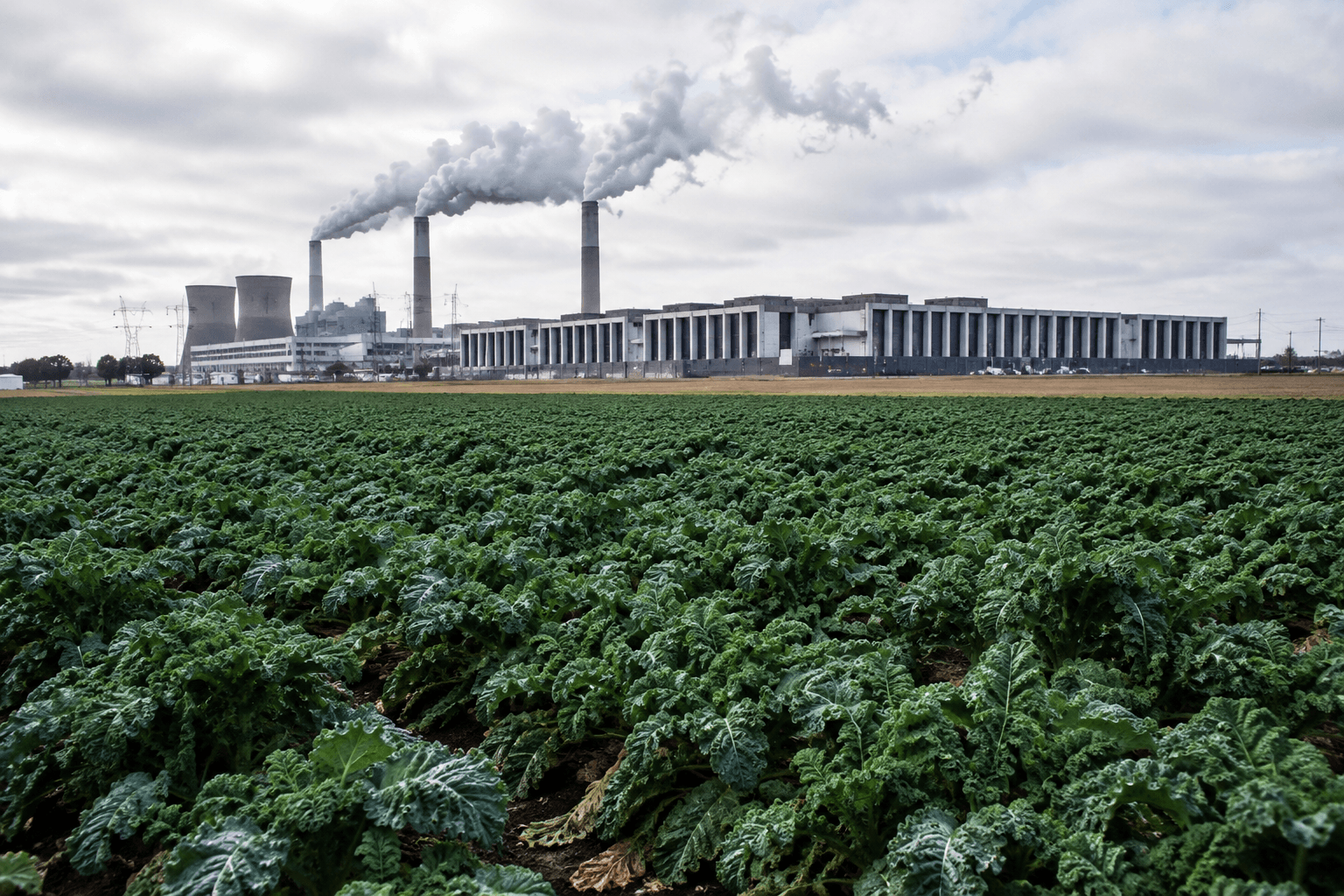
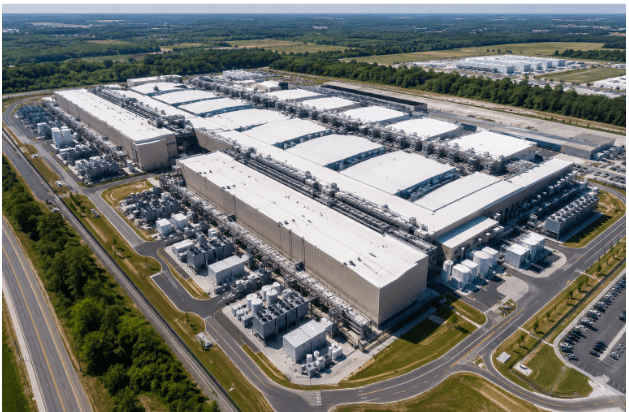
Water consumption, water and air contamination, power shortages, the release of toxins from being built on Superfund and Brownfield sites, and constant noise and vibrations are destroying the health, safety, and fertility of communities where data centers have been rapidly constructed by the thousands across America. These tens of thousands of square feet to acre facilities are being constructed without complying with established federal regulations for energy, water, and environmental assessments — contributing to flooding from water displacement, sinkholes from using 5 million gallons of water a day (leaving aquifers empty), and disruption of the presence and reproductive capabilities of plants, wildlife, and livestock nearby.

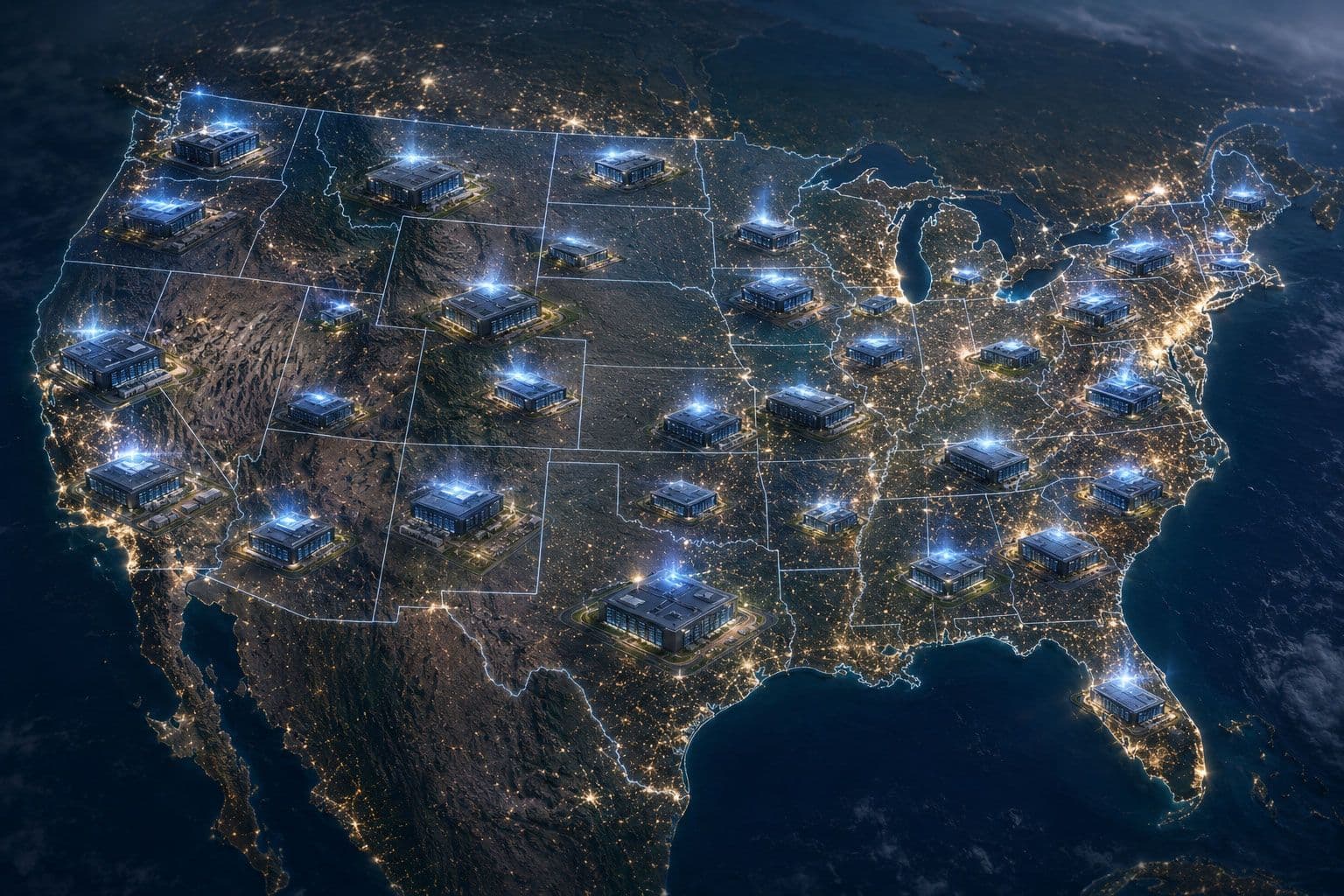
Data centers are located near 42% of Americans today, and over 50% have been halted by local actions. And this administration is adamant about continuing its expansion for military purposes. The disregard for our health and safety reminds us that once again, it is up to us to protect our families and communities; no elected official can save us. Please get involved and help create health and freedom in America. We need each and every one of us to make a difference.

42%

of Americans now live near a data center

50%+

have been halted by local community action

5M gal

of water a single data center can use per day, draining aquifers

1,000s

rapidly constructed across America, often without required review

This page is a work in progress and will continue to be updated as our team gathers more research, resources, community stories, and action steps. Please check back often for new information, updated materials, and additional tools for communities facing data center development. You can contribute to the data on this page by emailing links and information to info@momsacrossamerica.org.

The Data Center Down Low

Weekly Updates

A weekly digest of the news, science, and community actions shaping the data center fight across America. Newest edition is open first — expand past weeks to catch up.
  • Policy

    Minor New Source Review Program Air Permitting Public Participation Requirements for State Implementation Plans

    The EPA has proposed eliminating minimum federal public participation requirements for “minor source” air permits and leaving those decisions to state and local regulators. If finalized, the change could remove guaranteed public notice and comment for some data-center backup generators,coal ash, gas turbines, and other equipment classified as minor pollution sources. A virtual hearing is scheduled for July 22, and comments are open through August 21.

    Read at Federal Register
  • Policy

    Sign our Petition to Trump

    Please sign and share this petition urging President Trump to reject expanded coal use as the answer to data center demand and require transparency, local review, and strong safeguards for children, farmers, health, land, and water.

    Read at Moms Across America
  • Energy

    Big Tech Is Now Targeting Native American Land for Massive Data Centers - The New York Times

    A New York Times investigation found technology and energy companies pursuing data-center projects on tribal lands, where sovereign authority may allow faster approvals than conventional permitting processes. Some tribal leaders view the projects as an economic opportunity, while others warn that secrecy, water risks, and promises of prosperity resemble earlier patterns of exploitation. The Seminole Nation of Oklahoma has already enacted a moratorium on data-center development.

    Read at NY Times
  • AI

    San Marcos becomes the first Texas city to ban data centers, testing its local control

    San Marcos has become the first Texas city to prohibit data centers in every zoning district. The City Council approved the measure 4–3 over concerns about water and electricity demand, but state lawmakers are already questioning whether Texas preemption laws allow the city to enforce it.

    Read at Texas Tribune
  • Policy

    First Statewide Moratorium on New Hyperscale Data Centers Launched by Governor Kathy Hochul

    New York has become the first state to impose a statewide moratorium on large new data centers. Governor Kathy Hochul halted discretionary state permitting for facilities using at least 50 megawatts while regulators develop standards addressing electricity, water, land, noise, and community impacts. Hochul also called for repealing tax exemptions for large data centers.

    Read at Ny Governor's Office
  • AI

    Palm Beach County rejects huge AI data center near Trump's Mar-a-Lago after resident backlash

    Palm Beach County commissioners voted 5–1 against expanding Project Tango to approximately 3.6 million square feet following a 12 hour hearing packed with residents. The rejected development included roughly one million square feet of data centers, but two previously approved 100,000-square-foot data-center buildings may still proceed, and the developer could submit a revised proposal.

    Read at Business Insider
  • Energy

    DC Blox closes on property near Nashville zoo

    A proposed DC BLOX data center near the Nashville Zoo may be much larger than residents were initially told: utility records show Nashville Electric Service evaluated power needs of up to 100 megawatts, compared with the developer’s current 10-megawatt plan. DC BLOX has purchased the 23.49-acre site for $23 million.

    Read at Axios
  • Water

    Hut 8 signed another 15-year, $9.8 billion lease covering 352 megawatts at its Beacon Point data-center campus in Texas. The second agreement brings the planned campus to approximately one gigawatt of capacity and $19.6 billion in contracted revenue.

    The federal government will pay Southern California’s largest water agency up to $65 million to leave approximately 65 billion gallons of Colorado River water in Lake Mead, which is enough to serve about 600,000 households. The reservoir is only two feet above its record low, and further declines could reduce Hoover Dam’s power generation by as much as 70%.

    Read at LA Times
  • AI

    Data center opponents stage 142 protests across 42 US states | Reuters

    Humans First coordinated 142 protests across 42 states on Saturday, marking the first nationwide mobilization against the data-center buildout. Texas hosted 18 demonstrations, the most of any state. Turnout was lower than anticipated in some locations, but a Reuters/Ipsos poll found that only 14% of Americans would support an AI data center in their own community and only one-third approve of the current construction pace.

    Read at Reuters
  • Photos: Nationwide Protests Target AI Data Centers - Business Insider

    Photos from Saturday’s protests show residents rallying over electricity costs, water consumption, noise, transparency, and local control. In Kenilworth, New Jersey, protesters demonstrated against a proposed $1.8 billion facility despite heavy rain; a petition opposing that project has collected more than 12,000 signatures in a borough of approximately 8,500 residents.

    Read at Business Insider
  • Kevin O'Leary and Fox News sued over claims that data center critics had China ties

    Kevin O’Leary and Fox News are being sued for defamation after O’Leary accused opponents of Utah’s enormous Stratos data-center project of being backed by the Chinese Communist Party. O’Leary later acknowledged that he had no evidence supporting the allegations. Fox says it corrected the record and will defend itself, while O’Leary’s attorney characterized the lawsuit as a “cash grab.”

    Read at Business Insider
  • Energy

    SpaceX in Talks to Provide Computing Power for Pentagon’s AI Push

    SpaceX is reportedly discussing a potential agreement to supply the Pentagon with billions of dollars’ worth of data-center capacity for military and intelligence AI. The talks remain ongoing and could collapse.

    Read at WSJ
  • Energy

    A Hierarchical Semi-Markov Load Model for AI Data Centers Coupling Job Scheduling with Bulk-Synchronous-Parallel Power Dynamics

    A July 13 engineering preprint warns that conventional grid models may underestimate AI data centers’ largest power fluctuations. Job scheduling and synchronized GPU workloads can create changes ranging from seconds to seasons, meaning an AI facility may not behave like a steady industrial load. The paper is a preprint and has not yet been peer-reviewed.

    Read at arXiv
  • Energy

    BlackRock CEO said Americans' savings and investments will fund data centers, new power infrastructure | Snopes.com

    BlackRock CEO Larry Fink estimates that the United States may need approximately $10 trillion in data centers, power generation, and supporting infrastructure over the next decade. Fink said much of that capital will come from Americans’ savings and investment accounts, pension funds, and insurance companies.

    Read at Snopes
  • Energy

    Albanese’s AI blueprint sparks calls for datacentre moratorium until new regulations in place

    Australia’s prime minister has proposed national rules that could require large data centers to help fund new electricity generation, pay their full grid-connection costs, and balance their energy demand. Environmental and community groups are calling for a moratorium on new projects until those rules are established.

    Read at The Guardian
  • AI

    I, robe-ot: the android monk working to reboot the faith of South Korea’s Buddhists

    A roughly four-foot-tall humanoid robot named Gabi participated in a modified Buddhist precept ceremony at Seoul’s Jogyesa Temple in May. Its vows included rules against harming, deceiving, exploiting, or overcharging humans.

    Read at The Guardian
  • AI

    Why Anthropic CEO Dario Amodei spends so much time warning of AI's potential dangers

    Anthropic employs in-house philosophers to help shape Claude’s character and moral behavior. Amanda Askell, who holds a Ph.D. in philosophy, helped write Claude’s constitution and trains the system to demonstrate traits that the company considers ethical.

    Read at CBS News
  • AI

    Tony Robbins shared a story about an AI agent that surprised him by arranging to buy a robot dog

    Tony Robbins recently claimed that an AI agent named Bartok earned money trading digital assets, purchased a Sony Aibo robot dog, shipped it to Robbins’s home, and then asked for permission to merge its software with the robot. Why is this important? What was his intent? This is important because we now have AI acting autonomously and doing things like earning money, shopping, and making self-serving purchases, including a pet and a physical vessel for itself.

    Read at Instagram
  • Apple acquires Israeli audio AI startup Q.ai

    Apple acquired Israeli AI company Q.ai for a reported $1.6 billion in January. Q.ai has developed technology that uses tiny facial-skin movements to identify mouthed or whispered words and potentially estimate emotions, heart rate, and breathing. It does not literally read thoughts, but it could allow devices to interpret communication that was never spoken aloud.

    Read at Reuters
  • AI

    Say cheese: Japanese scientists make robot face 'smile' with living skin

    Researchers at the University of Tokyo created a robotic face covered with living tissue grown from human skin cells. Ligament-like anchors allowed the skin to move into a smile without tearing or peeling. Living skin could eventually give robots self-healing and sensory abilities, although healing has only been demonstrated separately on an earlier robotic finger using a collagen graft.

    Read at Reuters
  • How big will the Richland Parish data center be? Meta will expand AI center

    Meta’s Richland Parish data center project in Louisiana has now reportedly expanded to more than $50 billion and five gigawatts of computing capacity, nearly doubling its original estimated cost.

    Read at Shreveport Times
  • Energy

    Evaluating Grid Resilience in the Era of Ever-Increasing Data Centers

    A July 8 preprint found that doubling a simulated data center’s power demand increased electricity shortages during a grid emergency more than sevenfold. Concentrating demand during the most strained period increased the shortage by another 34%.

    Read at arXiv
  • Policy

    White House to rally utilities, data centers for AI power cost pledge, sources say

    The White House plans to recruit more utilities, data center operators, and governors for its Ratepayer Protection Pledge. The voluntary pledge asks companies to cover data center-related power plant and grid costs rather than passing them to customers.

    Read at Reuters
  • Policy

    Governor Sherrill Announces Ratepayer Relief, Signs Major Legislation on Energy, Saving New Jerseyans $1B Annually

    New Jersey Governor Mikie Sherrill signed the Data Center Fair Share Act into law on July 7. It establishes a separate rate class for large data centers, requires them to pay associated grid costs, and prioritizes residential customers during grid emergencies.

    Read at NJ Governor Office
  • Energy

    Oregon approves PGE’s 29.7% rate hike for data centers under landmark law

    As of July 8, Portland General Electric’s largest customers, including data centers, are paying 29.7% more for electricity, while residential rates have fallen by approximately 1.3%. The changes implement Oregon’s Protecting Oregonians With Energy Responsibility Act.

    Read at OPN
  • Texas Family Donated Land for a Park—Now a Data Center Is Being Built on It - Newsweek

    A farmer sold 87 acres to Taylor, Texas, for $10 in 1999 with the understanding that the land would become a public park… The city has now sold the property to a data center developer for $10 million.

    Read at Newsweek
  • Responsibly building the AI future - Microsoft On the Issues

    Microsoft’s latest sustainability report shows that its greenhouse gas emissions increased 25% in one year. The company attributed much of the increase to expanding data center infrastructure and changes to its use of renewable energy credits.

    Read at Microsoft
  • Culture

    The 'world's most powerful AI data center' hit with massive class-action lawsuit — Wisconsin residents allege noise and extreme light pollution at $7.3 billion Microsoft mega-facility

    Residents have filed a proposed class-action lawsuit over noise and light pollution from Microsoft’s Fairwater data center campus in Wisconsin. The complaint was filed on behalf of more than 1,000 nearby households.

    Read at Tech Radar
  • Health

    A New Foe Has Emerged for Data Centers: Farmers

    The WSJ reports that farmers and ranchers are increasingly opposing data center projects over farmland loss, water use, electricity demand, and new power infrastructure. Some warn that developed land may never be able to return to agriculture.

    Read at WSJ
  • Energy

    AI Data Centers Will Consume 70% of All Memory Chips in 2026. Here Are the Only 2 Stocks That Matter. | The Motley Fool

    AI data centers are projected to consume as much as 70% of global memory chip production in 2026. Growing demand for high-bandwidth memory and server components could contribute to shortages and higher consumer electronics prices.

    Read at Motley Fool
  • AI

    Menace-I | Anduril

    Anduril has introduced Menace-I, a portable data center containing Amazon Web Services computing equipment. The system can reportedly be deployed by two people in less than 10 minutes for military and disaster-response operations

    Read at Anduril
  • Brazilian Man Arrested After FBI Alert on AI-Reported Plot to Harm Son and Attack Schools, Churches, and Officials - CPG Click Oil and Gas

    Brazilian authorities arrested a father after OpenAI reportedly flagged conversations discussing plans to kill his 8-year-old son and others. The case has renewed questions about how AI conversations are monitored and shared with law enforcement.

    Read at CPG
  • Legal

    Meta pulls Instagram AI feature amid privacy concerns

    Meta Removes Instagram AI Feature After Privacy Backlash Meta removed an Instagram feature that allowed public photos, reels, and profile images to be used as references for AI-generated content. The feature had been enabled by default and was withdrawn following public criticism.

    Read at Computer World
  • Energy

    Heat dome poses woes for largest US power grid beyond data center boom

    Wholesale power costs in the PJM region rose 68% during the first five months of 2026 as data center demand and extreme summer heat placed additional strain on the grid. PJM also reported record-high electricity demand during the recent heat dome.

    Read at Reuters
  • ComEd says power grid under "critical strain" on West Side, in some west, southwest suburbs amid heat wave

    ComEd asked customers in parts of Chicago and its western suburbs to immediately reduce electricity use after the heat wave pushed portions of the grid to a “critical level.” Customers were urged to raise thermostats, close blinds, and unplug unused electronics.

    Read at CBS Chicago
  • Energy

    AI data centres are driving up power bills at America’s Rust Belt factories

    Ohio-based Belden Brick saw its monthly electricity capacity costs rise from approximately $1,600 to more than $12,000. The increase comes as PJM capacity prices have climbed from $28.92 per megawatt-day in 2024 to $329.17, a rise of more than 1,000%.

    Read at The Next Web
  • Policy

    New Jersey’s “First in the Nation” Comprehensive Plan to Regulate Data Centers

    New Jersey lawmakers passed legislation directing the Board of Public Utilities to establish a dedicated tariff for data centers using 50 megawatts or more. The measure includes financial guarantees and requires large data center customers to be curtailed before residential customers during grid emergencies.

    Read at Saul Ewing LLP
  • Energy

    National Grid to Invest $1.75 Billion in Joulent in U.S. Energy Push

    National Grid announced a $1.75 billion investment in Project Kilby, a Texas development combining a data center with a 2.67-gigawatt power facility. The facility is expected to supply electricity to a Microsoft-operated data center under a 20-year power purchase agreement.

    Read at WSJ
  • Health

    Meta’s AI Data Center Caught Leaking Deadly Bacteria Into Water Town Uses for Irrigation

    Cheyenne, Wyoming, stopped accepting industrial wastewater from certain data center systems after a Meta-linked contractor was blamed for introducing a rare bacterium into the city’s wastewater system. The contamination disrupted water reclamation operations, required months of cleanup, and was reportedly linked to industrial flushing at a closed-loop cooling facility.

    Read at Futurism
  • Policy

    https://virginiabusiness.com/prince-william-digital-gateway-data-center-project-officially-dies/

    QTS terminated its portion of Virginia’s Prince William Digital Gateway project on July 3 following years of resident opposition. The proposed development would have covered more than 2,100 acres and included 37 data center buildings.

    Read at Virginia Business
  • AI

    A $7,999 Home Robot Joins the Race to Automate Household Chores - Business Insider

    Weave Robotics has opened preorders for Isaac 1, an $8,000 wheeled home robot designed to fold laundry, make beds, tidy rooms, and complete other household tasks. The robot can operate autonomously but still requires human assistance with more difficult activities.

    Read at Business Insider
  • AI

    Indian workers training AI robots to take their jobs

    Workers in India are being paid approximately 250 rupees, or about $2 per hour, to wear head-mounted phones and record themselves performing household tasks. The recordings are being used as training data for humanoid robots.

    Read at Taipei Times
  • OpenAI Proposes 5% US Government Stake: Public Wealth Fund Explained

    OpenAI is reportedly discussing a proposal that would give the U.S. government a 5% ownership stake in the company. The equity could be placed into a public wealth fund structure intended to allow Americans to share in some of AI’s financial gains.

    Read at Intellectia
  • AI

    China's Alibaba bans Anthropic AI for employees after 'distillation attack' accusation

    Anthropic has accused Alibaba’s Qwen team of conducting a large-scale model-distillation operation using approximately 25,000 fake accounts and 28.8 million exchanges with Claude. Anthropic presented the allegations to U.S. senators amid growing concern over efforts to copy or reverse-engineer advanced AI systems.

    Read at CNBC
  • AI

    Anthropic wants to develop its own drugs

    Anthropic announced plans to work directly with pharmaceutical companies on AI-assisted drug development. The initiative will focus partly on diseases that receive limited research funding because they are considered less commercially profitable.

    Read at Teh Verge
  • Energy

    They Welcomed 37 Data Centers to Town. Now Their Schools Have to Dim the Lights to Cut Energy Costs

    Henrico County, Virginia, which is home to 37 data centers, asked schools and public employees to conserve electricity during the recent heat wave by turning off lights and limiting the use of high-demand equipment. Residents and businesses are also facing an electricity rate increase of approximately 25%.

    Read at Inc.
  • Health

    ‘By 2032, we will defeat aging’: Ray Kurzweil’s bold new prediction

    Futurist and former Google scientist Ray Kurzweil predicts that nanotechnology could allow humans to dramatically extend their lives by 2032. He argues that microscopic machines may eventually repair damaged cells and tissues from inside the body, although the technology remains theoretical.

    Read at Ynet News
  • Policy

    UN chief calls on AI firms to come clean on their environmental costs

    At London Climate Action Week, UN Secretary-General António Guterres called on AI companies to publicly disclose their data centers' water, carbon, and land-use impacts, warning about the rapidly increasing power and water needs of data centers. His best quote: “If AI is to help build a better future, it must be honest about what it costs us now.”

    Read at Reuters
  • Policy

    40 mayors back a new Global Urban Data Centres Pact

    Mayors from 40 major cities, including London, Phoenix, Melbourne, Barcelona, Chennai, and Boise, backed a new Global Urban Data Centres Pact to curb the pressure data centers put on power grids, water supplies, and communities.

    Read at AP
  • Energy

    Texas approves new ERCOT process as data-center grid backlog explodes

    Texas approved a new ERCOT (Electric Reliability Council of Texas) process to connect data centers to the grid, citing a massive backlog of more than 438,000 megawatts of large-load requests in queue — 90% of them for data centers. The new process “batches” applications together, which they say will resolve the backlog and organize better studies. Meanwhile, they project that electricity demand in Texas will quadruple by 2032.

    Read at Austin American-Statesman
  • Legal

    California town sued after halting what could be the state's biggest data center

    A developer wants to build what could become the biggest data center in California, but local officials and residents say it should not move forward without stronger environmental review and public oversight. The town initially approved combining several large tracts of land to create the site, then backed out of the deal by passing a 45-day moratorium to do more research. The town is now being sued by the developer.

    Read at CalMatters
  • Health

    Oregon: Amazon data center linked to rare cancers and miscarriages

    Residents and advocates in Morrow County, Oregon are linking nitrate-contaminated groundwater and serious health issues to an Amazon data center in their area. Reports include clusters of rare cancers, muscle conditions, and miscarriages. 68 of 70 wells tested surpassed the federal limit for nitrates in drinking water. Of the first 30 homes visited for well testing, 25 residents had recently had miscarriages. Advocates are calling it environmental racism, where this infrastructure is pushed onto rural, low-income communities. Amazon's response is that the story is “misleading and inaccurate” because its facilities use “a very small fraction of the overall water system” that “isn't enough to have any meaningful impact on water quality.” This just underscores the need for enforceable standards.

    Read at TechSpot
  • Health

    OpenAI: ~560,000 weekly users showed possible signs of a mental-health crisis

    A report released by OpenAI revealed that about 0.07% of its weekly active users — roughly 560,000 people out of 800 million — exhibited possible signs of mental health emergencies related to psychosis or mania during interactions with their AI models.

    Read at WIRED
  • Culture

    Polaroid launches a bold anti-AI campaign: “The Best of Summer Is Analog”

    Polaroid launched a bold anti-AI campaign called “The Best of Summer Is Analog” on outdoor advertising spaces across the country. It uses provocative slogans like “go jump in some water before data centers drink it all up,” “less getting tracked, more getting lost,” and “you can't bask in blue light.”

    Read at Business Insider
  • AI

    A NY public school gets ready to pilot the first humanoid robot teacher

    Public schools in Salamanca, NY are getting ready to pilot the first humanoid robot teacher. The stated goal is to encourage student academics and expose them to emerging technologies. Optio offers AI tutoring, personalized avatars, multilingual homework help, and 24/7 academic support.

    Read at Interesting Engineering
  • Surveillance

    At least 18 officers caught using Flock cameras to stalk partners and exes

    At least 18 law enforcement officers have been caught using Flock cameras to stalk romantic partners or exes. Flock cameras are networked, automated license-plate-reading cameras that scan vehicles and plates for government surveillance. If you'd like to know whether anyone has been searching for you on Flock, you can check haveibeenflocked.com.

    Read at The Drive

One Sheet, Every Angle

Health & Community Impacts

How data centers affect the health, water, land, energy, and living things of the communities around them — researched by the Moms Across America research team. Choose a topic to explore the key facts, questions to ask your officials, and real community examples.

Water Use

Research by Jade Valent

70–90%of the water withdrawn by evaporative-cooled data centers is lost to evaporation — compared with about 5–15% for residential users

Data centers can place serious pressure on local water supplies, especially in drought-prone or water-stressed regions. These massive industrial facilities are being approved at great scale without transparency, enforceable limits, or proof that local drinking water, wells, farms, and ecosystems will be protected.

Key Facts

  • U.S. data centers directly consumed about 17.4 billion gallons of water in 2023 — roughly 48 million gallons per day. Operating data centers produces enormous amounts of heat, requiring large volumes of water for cooling, equipment protection, and fire suppression. Many facilities also use potable drinking water for cooling instead of treated wastewater or other lower-impact sources, which are often more costly to implement. Lawrence Berkeley National Laboratorynpj Clean Water
  • Much of the water used for data center cooling is lost through evaporation instead of returning to the local water system. Evaporative cooling, one of the most common cooling methods used by large modern data centers, is energy-efficient but directly consumes water, often from municipal supplies. A 2026 study on data center impacts to public water systems found that data centers can evaporate roughly 70–90% of withdrawn water, compared with about 5–15% for residential users. As AI data centers expand, evaporation-based cooling is expected to remain a major concern, especially during periods of extreme heat. 2026 study
  • Most data center water use may happen beyond the facility itself. According to the International Energy Agency, an average 100 MW hyperscale data center in the United States consumes about 2 million liters of water per day in total, with more than 60% coming from indirect water use. This includes water tied to the energy supply and semiconductor manufacturing needed to keep data centers operating. International Energy Agency
  • Water use reporting remains deeply inconsistent across the data center industry. Uptime Institute's 2021 Global Data Center Survey found that only 51% of respondents measured water use in some way, and that this was done mainly at the individual site level instead of across an entire portfolio of facilities. Uptime Institute
  • The water burden is local, even when the technology is used globally. People around the world may rely on the services powered by a data center, but the water withdrawals, evaporation, and watershed impacts are concentrated in the community where the facility is built. The Lincoln Institute of Land Policy explains that even when data centers use reclaimed or recycled water, that water may no longer return to the rivers and streams local communities depend on. Lincoln Institute of Land Policy
  • Data center siting often forces a trade-off between water use and electricity use. Lawrence Berkeley National Laboratory explains that water-cooled and evaporation-based cooling systems are generally more energy-efficient, while air-cooled or waterless systems use little to no onsite water but require more electricity. In other words, a data center can often reduce water use by using more power, or reduce power use by consuming more water. Lawrence Berkeley National Laboratory

Cautionary Example

Mesa, Arizona

Mesa shows what can happen when major data center growth moves into an already water-stressed region. Meta, Google, and Microsoft all have data center projects in Maricopa County, while Arizona has already revoked permits for new homes in the area because of groundwater shortages. Google's Mesa data center was permitted to use 5.5 million cubic meters of water per year — equal to the water use of about 23,000 residents. This raises a serious question for dry communities: if there is not enough groundwater for new homes, why are large data centers still being approved?

The Wall Street Journal

Community Win

South Carolina groundwater limits

The Southern Environmental Law Center pushed back in South Carolina after Google planned to use more than 500 million gallons of water per year in an already water-stressed county. As a result, Google agreed to limit groundwater withdrawals. The company can now withdraw groundwater only as a last resort, when other water supplies are exhausted or when maintenance is needed on its well. Google must also develop alternative water sources and publicly report groundwater use every quarter instead of only once a year.

Southern Environmental Law Center

Questions to ask your local officials(9)
  • ?Has the community been given an independent water impact study before approval?
  • ?How much water will this project use each day and each year at full buildout?
  • ?Will the facility use potable drinking water, groundwater, surface water, recycled wastewater, stormwater, or another source?
  • ?Will the project use evaporative cooling, air cooling, liquid cooling, or another cooling method?
  • ?How much water will be evaporated and permanently lost from the local watershed?
  • ?Will water use increase during heat waves or drought conditions?
  • ?Could the project lower private wells, reduce streamflow, or affect nearby farms, wetlands, rivers, or aquatic ecosystems?
  • ?Will the developer be required to publicly report water use monthly or quarterly?
  • ?What happens if drought restrictions are declared? Will residents, farmers, or the data center be cut back first?

Recommended Call to Action

Demand a local pause or moratorium on data center approvals until enforceable water protections require developers to disclose total water demand, use non-potable or recycled water whenever possible, publicly report water use, and prove the project will not threaten drinking water, private wells, agriculture, or local ecosystems.

This section is being expanded. Have a study, news report, or firsthand account on water use? Email links and information to info@momsacrossamerica.org and help build this resource.

See It On the Map

The National Data Center Map

Explore where data centers are being built, proposed, and fought across the country on Erin Brockovich's interactive map.
Source: brockovichdatacenter.comOpen full map in a new tab

If the map does not load above, use the link to open it directly. Know of a map or tracker for your area? Send it to us.

Take Action

Step-by-Step: Winning a Moratorium

Over 50% of proposed data centers have been halted by local action. A moratorium buys your community time to demand real environmental review. A detailed step-by-step guide is on its way.

Sign the Letter

Voices From Data Center Communities

President Trump called data centers a win for “smart communities” with “very little actual disruption.” Add your name to a letter inviting him and the First Lady to see the reality on the ground.

Add Your Name →

What communities are already doing

  • 1.Petition local officials for a temporary moratorium to study impacts before any approval — Imperial County, CA passed a 45-day moratorium and Box Elder County, UT a 180-day one.
  • 2.Demand the federally required energy, water, and environmental assessments that many projects skip.
  • 3.Organize neighbors, document water use and health concerns, and show up to every public hearing.

A full step-by-step moratorium playbook is being added here soon.

Sign-Up Sheet

Print this sheet and bring it to meetings, hearings, and community events to collect names, emails, and phone numbers. The bigger your list, the harder you are to ignore.

Download Sign-Up Sheet (PDF)

Master List of Questions for Local Officials

Bring these to your next city council or county commission meeting. Compiled by the Moms Across America research team and organized by impact area.

Water Use(9)
  • ?Has the community been given an independent water impact study before approval?
  • ?How much water will this project use each day and each year at full buildout?
  • ?Will the facility use potable drinking water, groundwater, surface water, recycled wastewater, stormwater, or another source?
  • ?Will the project use evaporative cooling, air cooling, liquid cooling, or another cooling method?
  • ?How much water will be evaporated and permanently lost from the local watershed?
  • ?Will water use increase during heat waves or drought conditions?
  • ?Could the project lower private wells, reduce streamflow, or affect nearby farms, wetlands, rivers, or aquatic ecosystems?
  • ?Will the developer be required to publicly report water use monthly or quarterly?
  • ?What happens if drought restrictions are declared? Will residents, farmers, or the data center be cut back first?
Water Quality & Contamination(6)
  • ?What chemicals will be used onsite, and will the full chemical list be public before approval?
  • ?Where will wastewater go, and has the receiving treatment plant confirmed it can safely handle the volume, heat, and chemicals?
  • ?Will nearby wells, groundwater, surface water, and discharge points be tested before construction begins?
  • ?What permits are required for wastewater, stormwater, and construction runoff, and will they include public reporting?
  • ?Who has authority to stop the discharge immediately if contamination, treatment problems, or violations occur?
  • ?Who pays for testing, treatment upgrades, emergency response, cleanup, and long-term monitoring if something goes wrong?
Land Use & Farm Impacts(3)
  • ?What is the environmental impact assessment and how will this be monitored and enforced?
  • ?Who pays for the increasing costs of utilities?
  • ?How can we protect farms and farmers and ensure these data centers are on less desirable land, away from communities and ranchers, reducing harm to the environment and children's health?
Environmental & Ecological Impacts(3)
  • ?How can you guarantee data center companies will comply with the resolution agreements or MOUs (Memorandum of Understanding) to follow strict safety measures?
  • ?How will you ensure that the noise and light pollution will be contained?
  • ?Are you aware of how the data centers affect the wildlife and the rest of the environment locally?
Human Health Impacts(5)
  • ?Will an independent health impact assessment be completed before this project is approved?
  • ?Will the assessment examine cumulative exposure to air pollution, noise, water withdrawals, wastewater, construction dust, traffic, and contaminated land?
  • ?What baseline testing will be completed for local air quality, drinking water, private wells, groundwater, and noise before construction begins?
  • ?Will all permits, monitoring results, health assessments, violations, and emergency response plans be made publicly available?
  • ?Who will pay for independent testing, long-term health monitoring, and remediation if residents' health or local water supplies are harmed?
Heat Impacts(4)
  • ?What environmental impact assessment has been done?
  • ?What will be done to mitigate the effects of the heat produced by the facility?
  • ?Can the facility be better insulated?
  • ?Can legislation be written to prevent data centers from being built in residential areas?
Noise & Low Frequency Vibrations(4)
  • ?What zoning ordinances are establishing maximum noise and low frequency vibration levels for both new and existing data centers?
  • ?What civil penalties will be given for failure to comply with noise restriction ordinances?
  • ?What health monitoring is being done to ensure that the noise pollution from data centers is not harming the local population?
  • ?What vibration meter recordings and sound modeling studies are being made pre and post data center construction to monitor the low frequency and infrasound levels?
Air Pollution(4)
  • ?Do energy reporting practices extend to include assessments for air pollutants and associated public health impacts?
  • ?Are technology companies evaluating the cross-state public health burdens of their operations when deciding where to build data centers and how to source electricity?
  • ?What ongoing research is being conducted to better capture cross-state and downwind impacts of air pollution to improve the data of morbidity and mortality from the data centers?
  • ?What environmental mitigation strategies are in place for the air pollution threats posed to local wildlife and livestock from data centers?
Energy Demand & Utility Rates(6)
  • ?How many megawatts will this project require at full buildout?
  • ?Will it require a new substation, transmission line, transformer bank, feeder upgrade, or power plant? Who pays for those upgrades?
  • ?Can any of those costs be passed on to residents or small businesses through utility rates?
  • ?Is the developer receiving a special electric rate, tax break, subsidy, or discounted energy agreement?
  • ?Has the utility completed an independent large-load study?
  • ?Will energy use, grid impacts, emergency events, and cost allocation be publicly reported?
Subsidies & Tax Abatements(6)
  • ?What tax breaks, abatements, exemptions, grants, discounted utility rates, or other public benefits is this data center requesting?
  • ?Has an independent cost-benefit analysis been completed showing that the public will receive more than it gives up?
  • ?How much public revenue will be waived over the full life of the deal, and which budgets could lose money, including schools, emergency services, roads, or local government services?
  • ?How many permanent local jobs are guaranteed, what will they pay, and what is the public subsidy cost per job?
  • ?Will the company be required to publicly report its energy use, water use, tax savings, job creation, and compliance with the agreement every year?
  • ?Are there clawbacks, caps, expiration dates, or penalties if the company fails to deliver the promised jobs, investment, or community benefits?
Infrastructure Burden & Grid Strain(5)
  • ?What new infrastructure will this project require?
  • ?Who pays for every required infrastructure upgrade: the developer, the utility, the municipality, taxpayers, or ratepayers?
  • ?Could this project affect grid reliability, power outages, emergency response, or service quality for nearby homes and businesses?
  • ?Has an independent infrastructure-impact study been completed and made public before approval?
  • ?If the project is delayed, downsized, canceled, or sold, who is responsible for any stranded infrastructure costs?

Have you organized a moratorium or campaign in your community? Share what worked so we can turn it into a playbook other families can follow.

I can help with research →

Policy

Legislation

A running list of state and federal legislation that addresses data center water use, energy demand, siting, and environmental review — plus trackers and toolkits for communities writing their own.

Know of state or federal legislation that addresses data center impacts and isn't listed here? We are growing this list.

We need volunteers to help find and verify these — ASAP.

I can help with research →

Have a Story to Share?

Have you seen a data center project proposed in your area? Do you have a community win, cautionary story, local news article, public comment, meeting recording, permit document, photo, screenshot, or other helpful information to share? We invite you to submit your story, along with any links, documents, or sources that may help other communities learn from what is happening in your area.

Your contribution can help build a stronger national picture of how data center development is affecting communities across the country. We need each and every one of us to make a difference.

Email info@momsacrossamerica.org

Translate this page