
 ®
®
When we lose loved ones to a sudden death, such as suicide, in addition to being wracked with grief and devastation, we want to know why.
I lost my firstborn son, Ben, ten months ago, at the age of 22, when he succumbed to depression and took his life. He did not leave a note, but his body told me why.

And the body doesn’t lie.
Thanks to generous donations from friends and supporters after his passing, I was able to have his body tested. I previously tested him for toxins twice before; a year and four months before his death, when I noticed the signs of depression and being on the spectrum. His ability to be engaged, active, and cope with daily challenges was declining. Despite being a survival skills expert (he wanted to live!), a runner, Man of God, organic farm worker, avid learner, and “healthy” eater, he was still depressed.
When tested, I was shocked to learn that my beloved Ben’s body contained high levels of thallium, a heavy metal I knew almost nothing about. Ben believed in the power of plants and that they contained all the nutrients he needed.
He was also a strict vegan, though he more specifically called himself an organic, whole food, plant-based advocate for seven years. No animal products. Only organic with the exception of, about once a month or so, a Chipotle bowl. He felt comfortable with Chipotle because when they launched, they advertised non-GMO and they rated the lowest for pesticides in our fast food testing. Otherwise, when we went out, he either ate nothing or he brought his own food, every time. He was the strictest person I knew regarding his diet and health.
His meals of choice consisted almost entirely of organic kale, salad greens, black beans, potatoes, rice, bread, tofu, and pasta. He supplemented with food: flax and hemp seeds, omega 3’s from algae, and other superfoods. He did not believe in synthetic supplements.
Despite eating and even because he was eating what Michael Gregor promoted in his book, “How Not to Die,” (one of Ben’s favorites), Ben had high levels of heavy metal thallium, high candida (the yeast eats the heavy metals), high mycotoxins, (likely from USA grains and beans imported from China), very low nutrients such as Vitamin A, E, and D (glyphosate chelates 80-95 percent of nutrients from food crops with drift-level exposure only), high levels of pesticides such as DDT, and low cholesterol (which can all lead to depression).
Having been a food advocate and working to eliminate toxins from food for over 13 years, I understand the presence of pesticides in Ben’s body; they are ubiquitous and remain in the soil. Additionally, about 20 percent of organic food has been shown, in The Detox Project’s testing of protein powders, to be fraudulently labeled organic.
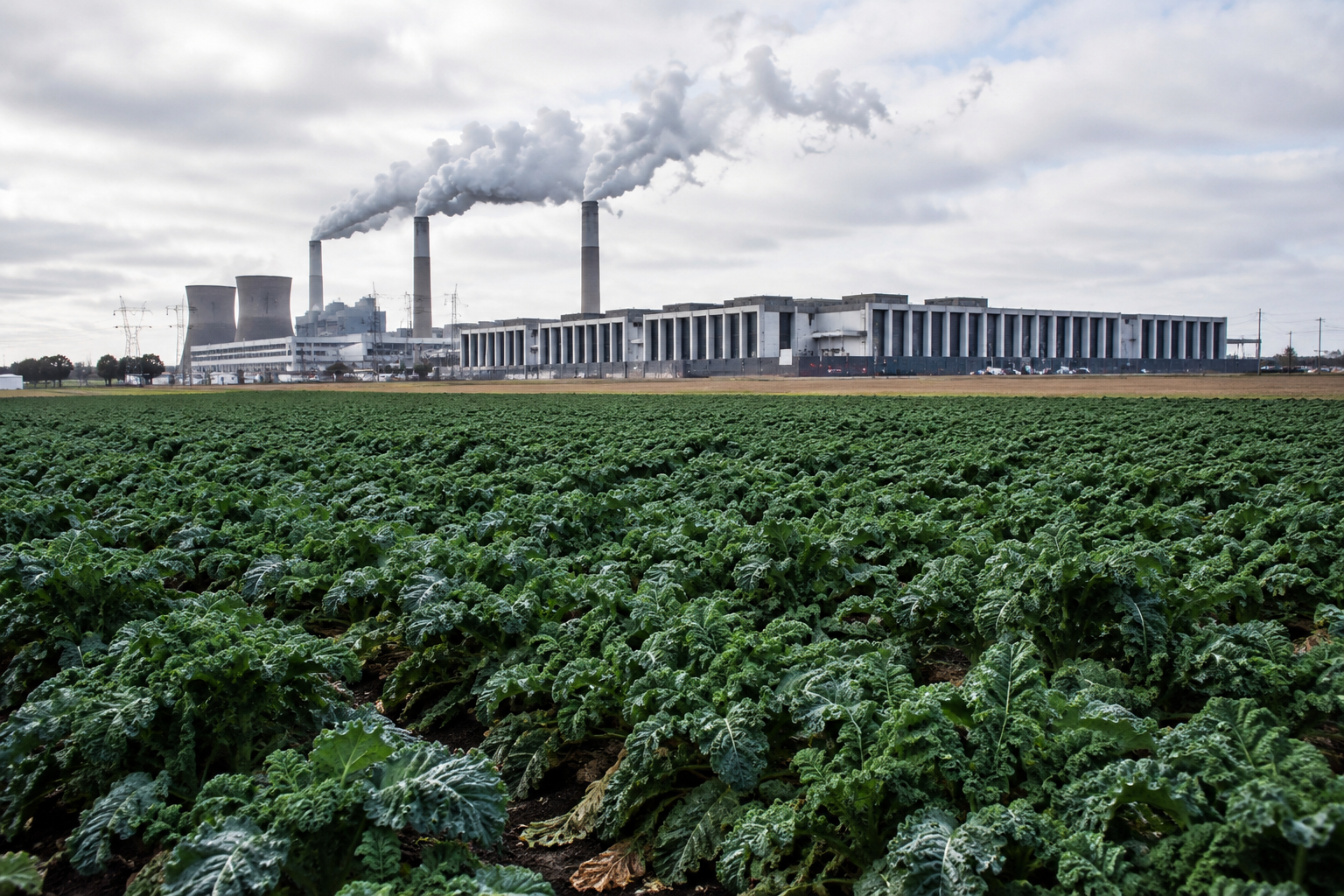
But the heavy metal thallium was particularly confusing. I researched and learned that kale contains high levels of thallium, and he ate it nearly every day. But why is it in kale? And where was the thallium coming from?
Health Research Institute Laboratories tested the kale brand he ate, and the results were very high. So I knew why his body had high levels, but I still didn't know why kale was high in thallium.
Then, in early June, I learned about the Trump Administration changing the laws and funding $700 million to allow more coal ash into the environment to support coal production for AI data centers, and I did a deep dive into the human health impacts of coal ash.
I discovered that many studies show that coal ash is commonly recognized to be a major source of thallium contamination in the air, water, and soil, which is then hyperabsorbed by kale and other brassica crops.
The following images are from Earth Justice:
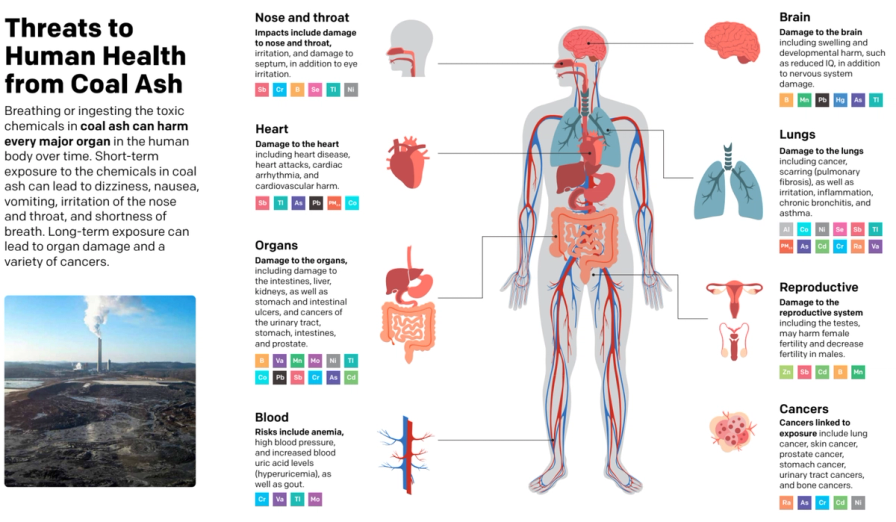
The research clearly shows that coal ash contains neurotoxic heavy metals, including thallium. Thallium exposure is known to cause neurological and psychiatric effects including depression, anxiety, and cognitive impairment. Peer-reviewed studies and meta-analyses also report associations between toxic metal exposure and autism spectrum disorders and other neurodevelopmental conditions, which Ben had.
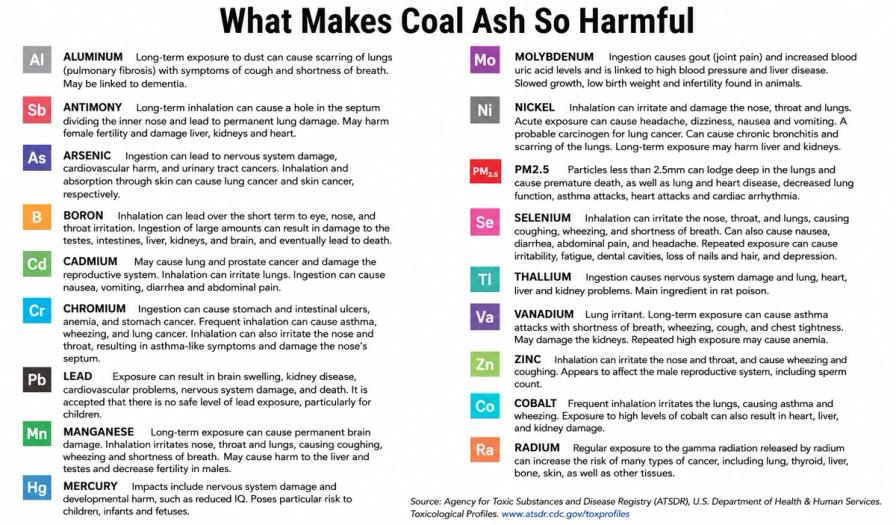
So now I know, the low cholesterol from the vegan diet, his genetics (which impaired his ability to detox), and the multiple toxins in the food, including thallium, contributed to my son’s death. I know now that thallium comes from coal ash. This administration’s actions to increase coal production and roll back regulations on the release of coal ash into our waterways and environment will likely contribute to more depression and suicide.
This deeply saddens me.
I will never hug my son again, never hear his laugh, never see him marry and have children. I do not wish this on anyone.
The disappointment of many of Trump’s recent actions are almost crippling to the MAHA movement.
But every day we have the opportunity to be alive, we work to improve the health of Americans and beyond.
I, for one, know that what my son taught me from his tragic actions, caused by the toxins in his body, could be the saving grace for millions if we share this information, support each other, and hold our government accountable.
What you can do to prevent suicide, health issues, and restore our country's health:
- Speak up against coal ash pollution - talk to your elected officials - educate them about alternative energy sources such as solar, while not perfect, it is not poisoning our water, food, and soil, and allows us sovereignty from data center energy monopolies.
- Speak up for access to non-toxic, nutrient-dense food for all.
- Get yourself and your family tested to learn what your heavy metal, pesticide, industrial contaminant, and vitamin levels are in your bodies. Find out your genetic disposition as well - many with MTHFR and other gene variants, like my son, do not detox pollutants well and need support.
- Detox daily: use fermented vegetables, activated charcoal, bentonite clay, spirulina, chlorella, trampolines, sweating from exercise or sauna, and detox supplements to prevent harm to our bodies.
- Eat organic, whole foods. Local is best - imported food from China is not well-regulated. Eat a varied diet and do not go vegan unless you have tested your genetics for compatibility with the vegan diet, and monitor yourself closely.
Sources:
EPA: Coal Ash - Toxic threat to our health and environment
Earthjustice: Threats to Human Health from Coal Ash
T. Viraraghavan et al. Thallium: environmental pollution and health effects
Encyclopedia of Environ Health (2011)
M. Sager Determination of arsenic, cadmium, mercury, stibium, thallium, and zinc in coal and coal fly-ash Fuel (1993)