
 ®
®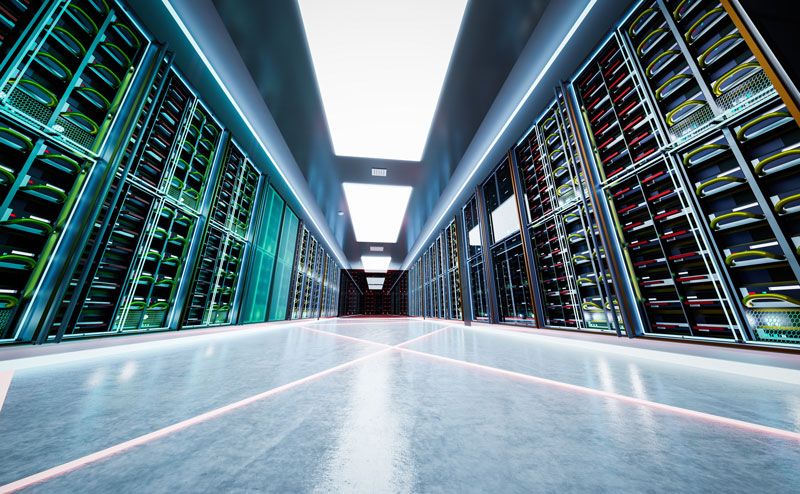
As applications for AI multiply, so does the demand for data centers to process the information they generate. The growth rate seen over the past decade is expected to double or triple within the next two to three years. In some areas, permits and land sales are moving faster than local populations can voice concerns. There is growing worry that when fast-tracking AI data centers is framed as a military necessity, the critical steps of public information-sharing and community feedback are rushed or bypassed entirely.
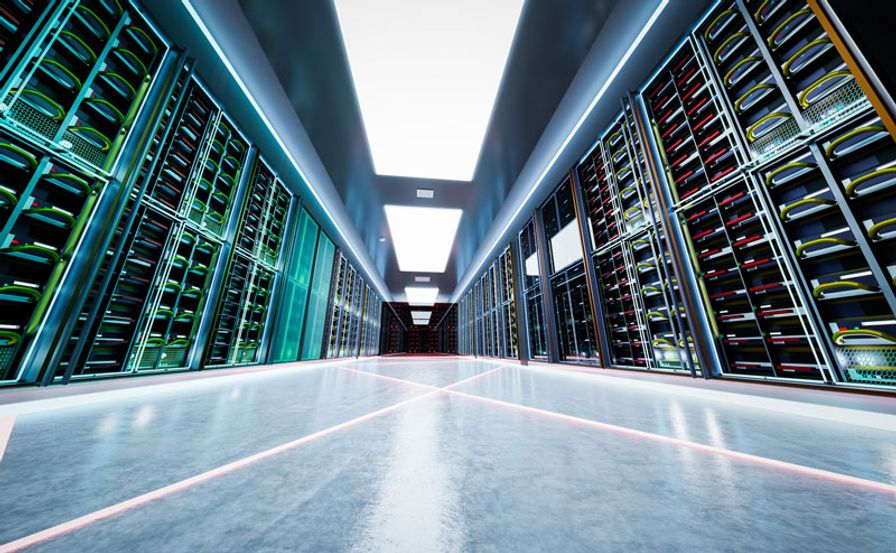
Data centers generate enormous heat and run continuously around the clock. The heat produced by data centers has been found to raise temperatures in surrounding areas on average at least 3 degrees, and by as much as 16 degrees Fahrenheit compared to temperatures recorded before the facilities were built. In a time where climate change and global warming is a concern, this is not an impact to be taken lightly. The water demand for cooling their electronics and components is staggering, a large data center is estimated to use as much water in a day as a small city of 10,000 residents. There are growing concerns about data centers depleting local aquifers and competing with residents and farmers for clean water supply. The heat produced by data centers has been found to raise temperatures in surrounding areas on average at least 3 degrees, and by as much as 16 degrees Fahrenheit compared to temperatures recorded before the facilities were built. In a time where climate change and global warming is a concern, this is not an impact to be taken lightly.
Local communities are competing with data centers for both clean water and electricity. Residents are seeing electricity prices rise to meet the demands of these facilities, a cost borne by locals while data center owners disproportionately profit. In Virginia energy prices near data centers have more than doubled. That burden should fall on the data centers, not the communities hosting them. In Lake Tahoe, nearly 50,000 residents have been told they will lose their electricity supplier within the year, if the utility company concedes to the power demands of nearby AI data centers.
https://fortune.com/2026/05/12/lake-tahoe-data-center-49000-residents-power-source/
There are also concerns about the thermal pollution when the water that has been used for cooling is dumped back into the waterways. If the water is not properly cooled, it can impact life in the ponds and rivers.
Key pollutants include antimicrobial chemicals pumped through the systems to reduce the growth of bacteria. There are also heavy metals in the water as a result of the degradation of the components of these machines. The Sierra Club deftly points out that “Data Centers Have a PFAS Problem” . These are chemicals used for cooling and when heated can escape into the air spreading the contamination. These “forever” chemicals are also used in the production of semiconductor parts for the data centers. PFAS have a far larger impact on global warming than CO2 levels. In humans, peer-reviewed research has linked PFAS exposure to a range of serious health concerns, including increased cancer risk, reproductive and developmental harm in women and children, hormonal disruption, and a reduced ability of the immune system to fight infection.
There are meaningful steps both individuals and communities can take.
We need to press for accurate monitoring and regulations on water use. Currently there is not clear management of water use or how it is cleaned or cooled before being dumped back into the environment.
We must protect our natural resources and limit the “allowable” pollution from these data centers. We need to be able to assess and address the true costs, and regulations need to be in place to ensure quality is being monitored and safety maintained.
On a personal level, it is worth pausing to consider whether every AI task is necessary. Is it worth the water consumption to generate a novelty video, or can you ask Claude to limit a web search rather than letting it run indefinitely? Small choices around mindful AI use can add up.
Supporting local farms is another powerful action. Keeping farms viable reduces the pressure on landowners to sell to developers, helping communities retain both green space and local food systems. Valuable farmland and public lands absolutely need to be protected from data centers and the damaging pollution they generate.
Civic engagement matters enormously. Getting informed about proposed data centers in your area and showing up to city council meetings, contacting your representatives, and sharing this information with your friends and neighbors helps send a clear message that communities are paying attention and expect to have a voice.
On the industry side, there is real potential for innovation that advocates should push for.
Have environmental and human health impact assessments been conducted for any of these data centers?
Can the heat generated by data centers be recaptured to generate electricity?
Can water be treated and cleaned before being discharged back into the environment?
What non-drinking water options for cooling are available that other countries are using?
Can noise be better insulated within facilities to reduce the impact on surrounding neighborhoods?
These are not unreasonable demands, they are the kinds of solutions that responsible development should already be pursuing.
Because the impacts fall directly on local communities, public awareness and meaningful input are essential. Limits need to be placed on the secrecy and forced NDAs that allow developers to rush past public involvement. It is especially concerning that designating AI data centers as a military necessity, as President Trump has done, could open the door to bypassing environmental impact reviews entirely, compounding the risks already outlined here.
There is, however, a silver lining worth leveraging. That same presidential order prioritizes superfund sites as preferred locations for data centers. This is a provision that communities and advocates can actively push to enforce, helping to steer development away from farmland and protected public lands and toward sites already in need of remediation.
Public action works. When an out-of-state buyer proposed a 1,412-acre solar facility in Sacramento, California, community outcry was enough to stall the project. Lawsuits challenged the environmental impact assessment as incomplete, citing harm to old growth trees, protected species, and tribal lands — and what made the effort remarkable was who came together to fight it. Recreational vehicle enthusiasts joined with environmentalists, and native peoples filed separately after the county approved the project despite known impacts to protected tribal lands. These seemingly disparate groups united around a shared commitment to preserving precious land, and together with fierce public pressure, they succeeded in getting the project stalled.
This is a powerful reminder that showing up, speaking out, and finding common ground with unlikely allies can make a real difference.
(read more here https://www.therivervalleytimes.com/2026/01/13/560379/coyote-creek-solar-project-faces-uncertain-path-forward )
In Virginia, Shin law office is organizing to push forward lawsuits in regard to the environmental and mental health impacts of these data centers. People living local to these data centers cite disruptions of sleep, increases in anxiety, elevated blood pressure, and reduced quality of life.
The rapid expansion of AI data centers is not slowing down. We need to pay attention to the real costs being paid by local communities, in rising electricity bills, strained water supplies, environmental degradation, and bypassed public processes.
The good news is that awareness is growing, and the tools to push back are already in our hands. Erin Brockovich has joined the fight, bringing with her a resource website that maps existing AI data centers and invites community reporting on facilities being planned so that you can get informed and engage locally. Whether the action is small or large, we need to come together to manage and reduce these risks for a better future. Be mindful of your own AI use. Support your local farms. Show up to city council meetings and contact your representatives. Demand that environmental impact reviews are completed fully and honestly, that water quality is monitored, and that the burden of development falls on developers, not the neighbors they move in next to. And when the fight comes to your community, remember Coyote Creek in Sacramento: unlikely allies, fierce public pressure, and an insistence on transparency were enough to stall a project that should never have been approved in the first place. The stakes are high, but so is the power of an informed and engaged community.